As an operations manager, you know that facility disruptions often require a structured response to mitigate the risk of operational downtime. A sudden pipe burst or power failure can halt operations, damage assets, and pose safety risks. This is where understanding emergency plumbing vs electrical services becomes critical.
Drawing on field-tested protocols, this guide explores the nuances of integrated emergency response. You'll discover how our integrated approach is designed to support efficient handling, from initial dispatch to resolution. Whether facing a leak burst response or power outage response, our strategies prioritize facility risk mitigation.
Emergency plumbing and electrical issues differ fundamentally in cause, impact, and response needs. Plumbing emergencies often involve water, leading to immediate flooding and structural damage. Electrical ones deal with power, risking fires, equipment failure, and safety hazards.
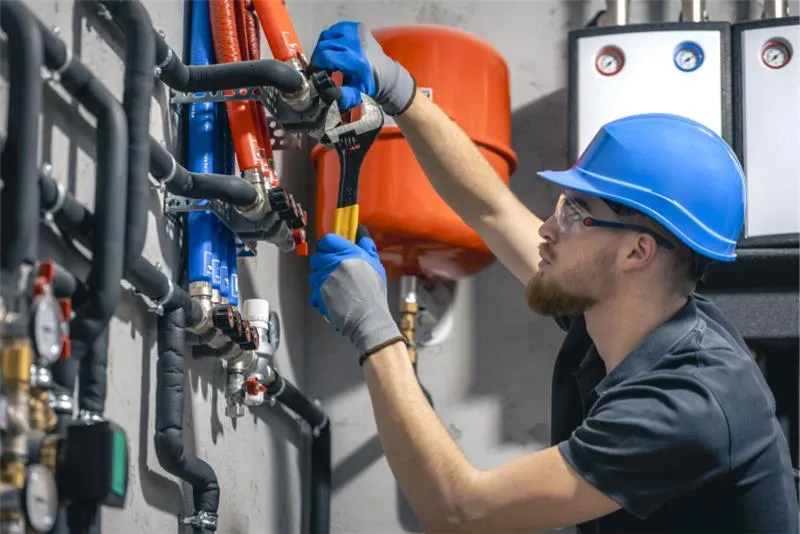
Plumbing crises stem from bursts, clogs, or backups. A leak burst response requires containing water flow first, then repairing pipes. Electrical emergencies, like outages or shorts, demand isolating power to prevent shocks or fires. Power outage response focuses on restoring circuits safely.
Emergency plumbing vs electrical services also varies in tools and regulations. Plumbers use wet vacuums and pipe cameras; electricians need multimeters and lockout-tagout devices. Both require licensed pros, but electrical work must adhere to the CSA Z462 and applicable provincial standards.
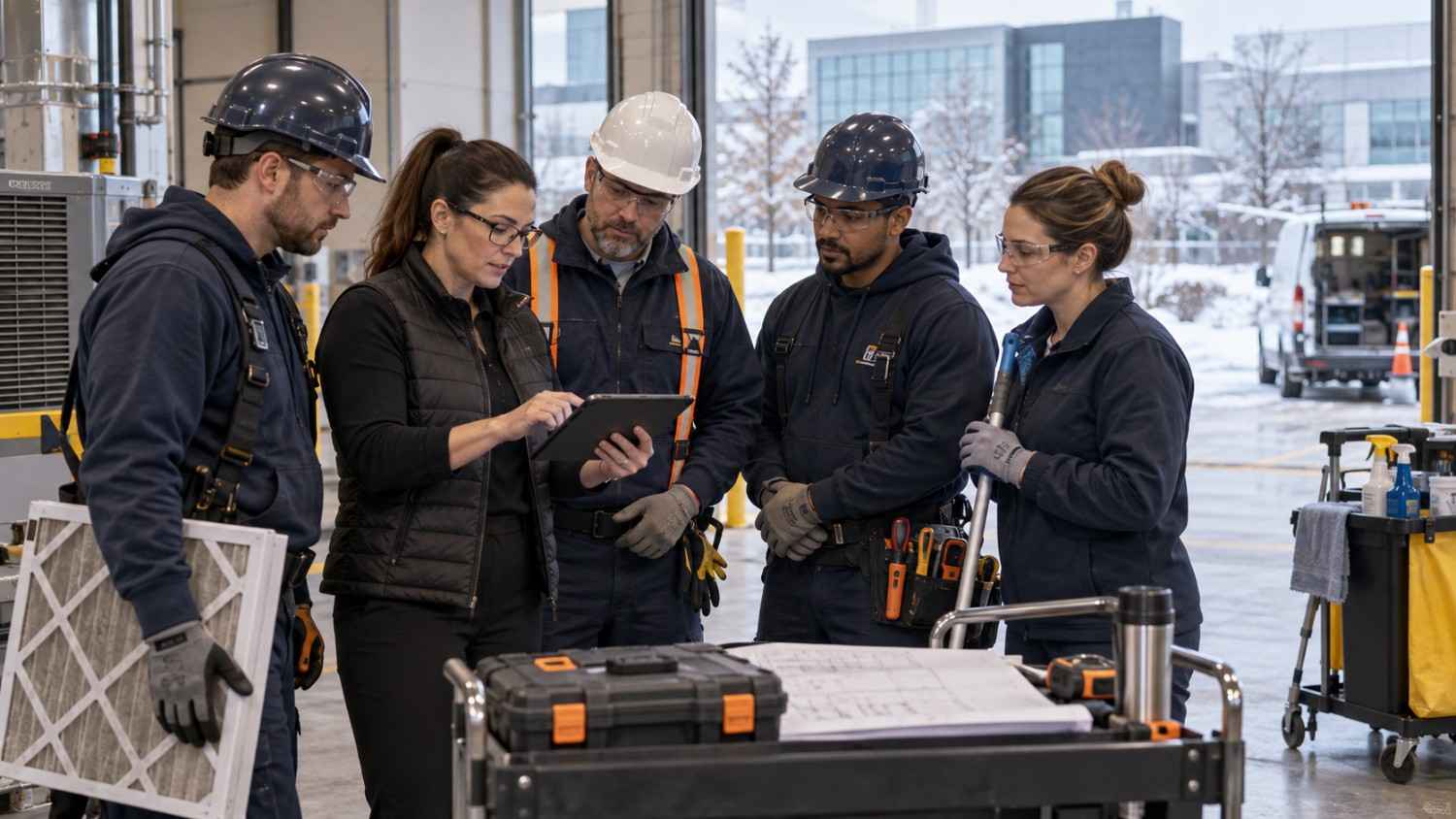
Facility Network coordinates licensed plumbers and electricians through a centralized dispatch system to ensure the right certified technician is deployed. Our unified dispatch system is designed to streamline response times compared to siloed providers. Opt for our emergency services.
Plumbing failures hit facilities hard. Consider a commercial kitchen where a high-pressure line bursts at 2 AM. Water floods floors, soaks inventory, and may threaten electrical panels below.
In leak burst response, seconds count. Our protocol is built upon a certified technician dispatch model. Technicians arrive equipped with the appropriate diagnostic tools to locate the source of the issue and limit unnecessary disruption.
Our plumbing services have resolved such incidents, reducing water damage claims for clients. Learn more about our plumbing services designed for Canadian commercial facilities.
Electrical issues can cascade quickly. A tripped breaker in a warehouse might signal overloaded circuits, leading to total blackout and spoiled perishables.
Power outage response prioritizes safety. Facility Network's electricians follow CSA standards, wearing arc-rated PPE. We triage: secure the site, then diagnose via load testing.
We've assisted in power restoration across various facility types. Check our electrical services.
The real challenge arises in hybrid scenarios. Imagine a leak bursting onto live wiring: water conducts electricity, creating electrocution risks and fire hazards. This intersection demands emergency plumbing vs electrical services expertise from one team. Integrated responses help maintain compliance with Provincial Fire Codes, as water intrusion into energized systems can increase the risk of electrical faults or arcing.
Our coordinated trade response ensures electrical hazards are secured before plumbing repairs proceed. In a recent office building incident, a rooftop AC drain burst flooded a sub-panel. Our team isolated power first (electrical priority), then extracted water and repaired pipes.
Facility risk mitigation shines here. We assess cascading effects, like water migration to servers or HVAC shorts.
Dispatch is the linchpin of emergency plumbing vs electrical services. Generic providers delay with routing calls.
Reactive fixes cost more than prevention. Facility Network blends both in emergency plumbing vs electrical services.
Don't let the next leak or blackout catch you off guard, secure Facility Network's 24/7 emergency plumbing vs electrical services today.
Ready to safeguard your operations? Contact us today.
What is the main difference in emergency plumbing vs electrical services?
Emergency plumbing focuses on water containment and pipe repairs, while electrical services prioritize power isolation and circuit restoration to prevent fires or shocks. We provide access to specialists across both disciplines.
How fast is your leak burst response?
Response times depend on location and trade availability, but our centralized dispatch model ensures rapid coordination and consistent communication during emergency events.
What does power outage response involve for facilities?
It includes safety lockouts, fault diagnosis, temporary power via generators, and permanent fixes, all compliant with CEC standards.
How do you ensure facility risk mitigation?
Through preventative inspections, thermal scanning, and documented maintenance audits that help to mitigate the significant costs and operational delays associated with extended downtime.
Can you handle multi-site emergencies?
Yes, our centralized dispatch and dashboard manage portfolios nationwide efficiently.