Facility operations across Canada are shaped by seasonality. Weather patterns, regional demand fluctuations, and operational cycles all influence how and when services are required. For operations leaders managing multi-site portfolios, ensuring that vendors can meet demand throughout the year is a critical priority.
This is where vendor capacity planning in Canada becomes essential. Without structured planning, organizations may face service delays during peak periods, limited contractor availability, or inconsistent service delivery across locations.
Seasonal shifts such as winter conditions, spring thaw, and summer construction cycles can significantly impact vendor workloads. Organizations must anticipate these changes and align vendor capacity accordingly.
Facility Network supports national facility operations by coordinating vendor networks, forecasting service demand, and maintaining service continuity across provinces. Their experience in multi-site environments helps organizations adapt to seasonal fluctuations while maintaining consistent performance.
This guide explores how to approach vendor capacity planning in Canada, with a focus on peak season demand, winter overflow, and strategies to ensure service continuity across facility networks.
Canada’s climate creates distinct operational cycles that affect facility services. From snow removal and heating system maintenance in winter to exterior repairs and construction projects in warmer months, service demand varies throughout the year.
Certain services experience increased demand during specific seasons. For example:
Vendor availability may shift depending on demand levels. During peak periods, contractors may have limited availability.
Facilities must remain operational regardless of seasonal conditions. This requires reliable vendor support at all times. Effective vendor capacity planning in Canada helps organizations prepare for these fluctuations and maintain consistent service delivery.
Peak demand periods can place significant pressure on vendor networks.
Peak demand varies depending on service type and region. For example:
Factors that influence peak demand include:
During peak periods, vendors may have limited resources available. This can affect response times and service quality. Understanding these dynamics is key to successful vendor capacity planning in Canada.
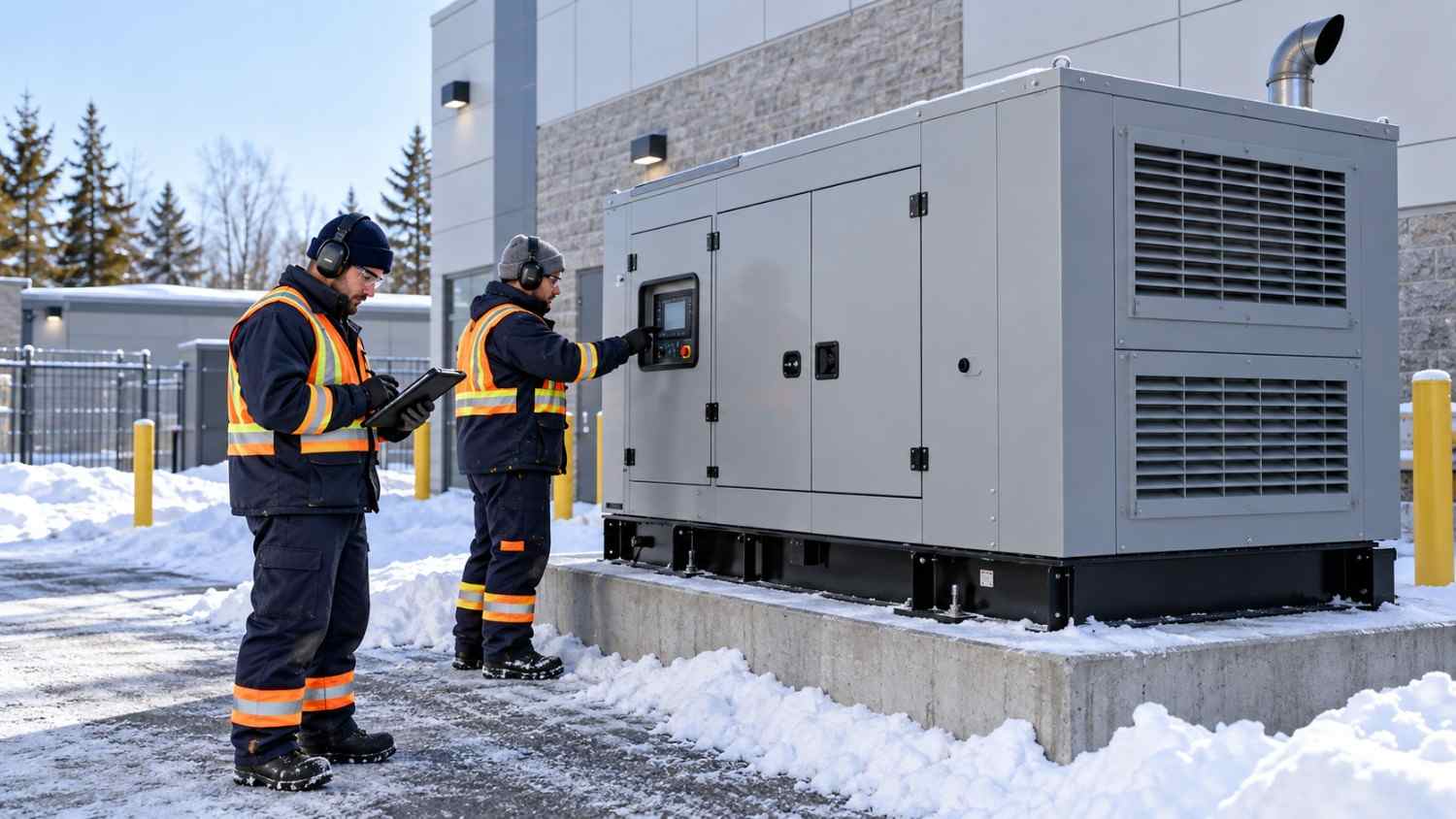
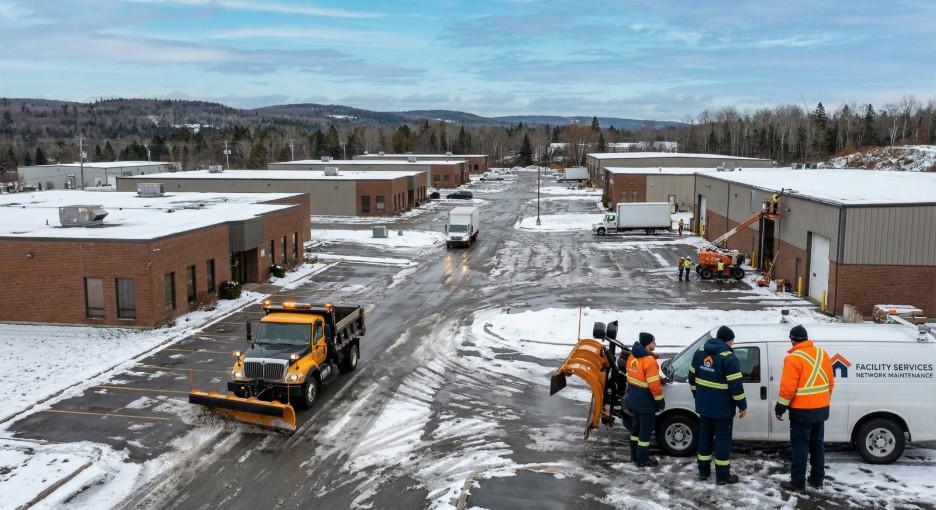
Winter is one of the most demanding seasons for facility operations in Canada.
Snow, ice, and extreme temperatures can lead to:
Facilities may require rapid response to address urgent issues such as heating system failures or safety hazards.
Primary vendors may reach capacity during peak winter demand. Organizations must plan for overflow capacity to ensure continued service.
Establishing backup vendors helps manage additional workload during high demand periods. Planning for winter conditions is a critical component of vendor capacity planning in Canada.
A flexible vendor network allows organizations to adapt to changing demand levels.
Primary vendors handle routine service requests, while secondary vendors provide support during peak periods.
Vendors should be selected based on their ability to operate within specific regions.
Vendors should have the ability to scale their workforce or resources as demand increases.
All vendors should be integrated into centralised systems for communication and work order management. Flexible networks strengthen vendor capacity planning in Canada.
Accurate forecasting is essential for capacity planning.
Organizations can analyze past service requests to identify patterns in demand.
Recurring seasonal trends help predict future service requirements.
Different facilities may have unique service needs based on their design and usage.
Vendors can provide insights into expected demand levels and capacity constraints. Forecasting supports proactive vendor capacity planning in Canada.
Vendor contracts should reflect seasonal demand patterns.
Contracts may define service expectations for different seasons.
Flexible contract terms allow organizations to adjust service levels based on demand.
Contracts may include provisions for emergency response during peak periods.
Clear expectations help ensure that vendors can meet seasonal requirements. Aligning contracts with seasonal needs enhances vendor capacity planning in Canada.
Maintaining consistent service across multiple sites is a key objective.
Centralised teams can manage vendor assignments and monitor service delivery.
Standardised processes ensure consistency in how services are delivered.
Clear communication between vendors and facility teams supports coordination.
Monitoring systems provide visibility into service performance across locations.
Service continuity is a core goal of vendor capacity planning in Canada.
Canada’s geographic diversity affects vendor capacity planning.
Urban areas may have a larger pool of vendors, while rural regions may require additional planning.
Different regions experience varying weather conditions, which can affect service demand.
Travel distances may impact vendor response times.
Vendors must comply with provincial and municipal requirements. Accounting for these factors strengthens vendor capacity planning in Canada.
Technology plays a significant role in managing vendor capacity.
These systems track service requests and assign tasks to vendors.
Capacity tracking tools help monitor vendor workload and availability.
Analytics tools provide insights into demand trends and performance metrics.
Integrating systems ensures seamless communication between vendors and internal teams. Technology enhances efficiency in vendor capacity planning in Canada.
Capacity planning also involves managing operational risks.
Limited vendor availability can lead to delays in service delivery.
High demand periods may affect service quality if vendors are overextended.
Increased workload may impact adherence to safety practices.
Backup vendors and flexible scheduling help mitigate these risks. Risk management is a key aspect of vendor capacity planning in Canada.
Operations leaders can strengthen capacity planning by adopting best practices.
Anticipate demand fluctuations based on seasonal patterns.
Maintain a mix of primary and backup vendors.
Leverage historical data to predict service demand.
Ensure that vendor agreements support seasonal requirements.
Track vendor performance to maintain service quality. These practices support effective vendor capacity planning in Canada.
Seasonal demand fluctuations present unique challenges for facility operations in Canada. From winter overflow to summer project cycles, organizations must ensure that vendor networks can adapt to changing conditions.
By implementing structured forecasting, building flexible vendor networks, and aligning contracts with seasonal needs, organizations can maintain service continuity across multiple locations.
Partnering with Facility Network further supports these efforts by coordinating vendor networks, managing demand fluctuations, and ensuring consistent service delivery. Contact us to discuss a seasonal vendor capacity strategy and service continuity plan for your national commercial portfolio.
With a proactive approach to vendor capacity planning in Canada, organizations can navigate seasonal challenges while maintaining reliable and efficient facility operations.
What is vendor capacity planning in Canada?
It is the process of ensuring that vendors have the resources and availability to meet facility service demands across different seasons.
Why is seasonal planning important for facility networks?
Seasonal changes affect service demand, vendor availability, and operational requirements.
How can organizations prepare for peak demand periods?
By forecasting demand, building backup vendor networks, and aligning contracts with seasonal needs.
What is winter overflow in facility operations?
It refers to increased service demand during winter, often requiring additional vendor capacity.
How can technology support capacity planning?
Technology systems track service requests, monitor vendor workload, and provide insights into demand trends.
Why are backup vendors important?
Backup vendors provide additional capacity when primary vendors are unable to meet demand.
How does Facility Network support capacity planning?
Facility Network helps organizations coordinate vendor networks, forecast demand, and maintain service continuity across Canada.