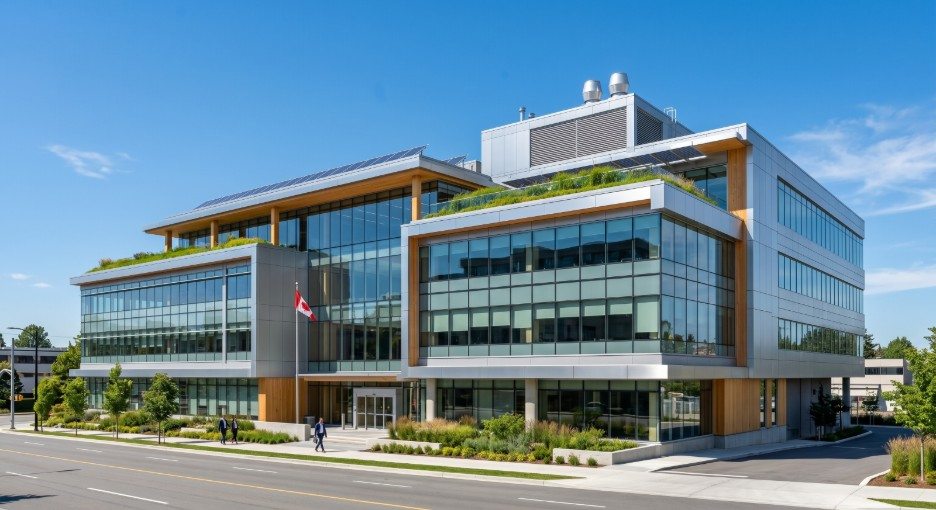
Commercial organizations across Canada are placing greater emphasis on sustainability, operational efficiency, and long-term building performance as environmental expectations continue evolving across the property sector. From retail portfolios and office buildings to industrial facilities and institutional environments, many organizations are reviewing how green building certifications in Canada may support operational planning, environmental goals, and infrastructure modernization strategies.
As commercial building standards continue changing, sustainability discussions are increasingly tied to energy performance, maintenance planning, indoor environmental quality, and material selection. In particular, growing attention is being placed on the role of sustainable materials and embodied carbon considerations within renovation projects, facility refreshes, and construction rollouts.
At Facility Network, we support organizations across Canada with coordinated commercial facility services delivered through a hybrid model that pairs our internal technicians with a managed network of vendor partners. This includes preventative maintenance planning, infrastructure oversight, vendor management, and operational support tailored to complex commercial environments. As green building certifications in Canada continue influencing commercial property planning, many organizations are evaluating how facility operations, sustainable materials, and infrastructure decisions may support broader environmental objectives while maintaining operational practicality.
This guide explores how green building certifications in Canada intersect with LEED frameworks, BOMA BEST standards, sustainable material selection, embodied carbon discussions, preventative maintenance strategies, and commercial facility modernization planning.
Green building certifications in Canada generally refer to sustainability-focused frameworks designed to evaluate commercial buildings based on environmental and operational performance considerations.
These certification systems may assess areas such as:
Commercial organizations may pursue certifications for:
Because commercial facilities differ significantly in design, occupancy, infrastructure condition, and operational complexity, sustainability planning should always remain site-specific.
Commercial buildings continue facing growing attention related to:
Many organizations are reviewing how operational practices and building upgrades may align with sustainability discussions while supporting practical facility operations.
Modern commercial sustainability planning often includes consideration of:
Green building certifications in Canada frequently encourage organizations to evaluate how multiple operational systems work together throughout a building’s lifecycle.
LEED, administered in this country by the Canada Green Building Council (CAGBC), is one of the most widely recognized sustainability frameworks used within Canadian commercial building projects.
LEED-related planning may involve:
Commercial organizations may incorporate LEED-related strategies during:
However, not every property pursues formal certification, and implementation strategies should always align with operational realities and infrastructure conditions.
BOMA BEST is a Canadian building certification program focused on environmental performance and operational sustainability within existing commercial buildings.
The program may evaluate areas such as:
Because BOMA BEST is designed specifically for Canadian commercial environments, many organizations use it as part of broader operational sustainability discussions.
The framework reflects considerations related to:
Green building certifications in Canada often encourage organizations to assess how day-to-day facility management practices influence overall building performance.
One of the growing focus areas within commercial construction and renovation planning involves embodied carbon considerations.
Embodied carbon generally refers to emissions associated with:
Commercial organizations may review materials related to:
Sustainable material planning often focuses on balancing durability, operational practicality, and maintenance requirements with environmental considerations. To support formal certifications, commercial organizations frequently rely on Environmental Product Declarations (EPDs) to verify the embodied carbon and sustainability metrics of selected materials.
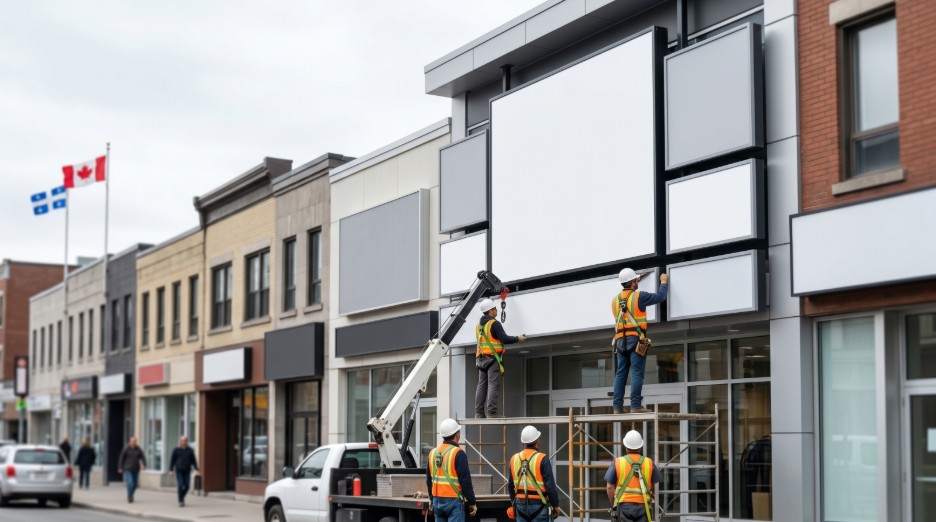
Retail rollouts, tenant improvements, and commercial renovation projects are increasingly incorporating sustainability-related discussions into planning stages.
Organizations may evaluate:
Commercial renovation projects often involve:
At Facility Network, we support organizations across Canada through coordinated commercial facility services, vendor management, operational oversight, preventative maintenance planning, and infrastructure coordination tailored to multi-site commercial environments.
Preventative maintenance remains one of the most practical ways organizations may support long-term building performance.
Maintenance programs may include:
Deferred maintenance may contribute to:
Proactive maintenance planning may help facilities maintain operational stability while supporting broader sustainability initiatives over time.
Green building certifications in Canada often emphasize the importance of consistent operational management practices.
HVAC systems play a major role in commercial building performance and operational efficiency.
Facilities may review:
Commercial facilities must support:
Because Canadian commercial properties operate within varied climate conditions, HVAC planning should always reflect regional operational realities rather than generalized assumptions.
Lighting systems also influence operational sustainability within commercial environments.
Facilities may evaluate:
Lighting upgrades should balance:
Facilities should avoid assuming that advanced automation or large-scale retrofits are appropriate for every commercial property.
Commercial sustainability planning increasingly includes indoor environmental quality considerations.
Organizations may review ventilation conditions, air circulation, and humidity management to ensure alignment with the National Building Code of Canada (NBCC) and applicable ASHRAE standards, alongside lighting quality and occupant comfort.
Commercial buildings must continue supporting productive and functional environments for occupants, employees, customers, and visitors.
Operational sustainability should not compromise building usability or occupant comfort.
Canadian commercial facilities face demanding environmental conditions throughout the year.
Buildings may experience:
Organizations may assess:
Building envelope performance may influence operational efficiency, occupant comfort, and long-term infrastructure durability.
Green building certifications in Canada may apply differently depending on whether a project involves new construction or an existing building.
New developments may integrate sustainability planning during design phases, while existing facilities often approach improvements through phased modernization.
Older facilities may face limitations related to:
Sustainability planning should remain realistic and operationally practical for the specific property environment.
Commercial sustainability discussions often include waste management and operational coordination considerations.
Facilities must review construction waste handling and recycling programs to ensure alignment with provincial commercial waste regulations and mandatory waste audit frameworks (such as O. Reg. 102/94 in Ontario), alongside packaging reduction and vendor coordination practices.
Commercial operations frequently involve multiple vendors and service providers.
Effective coordination may support:
At Facility Network, our team supports coordinated commercial facility operations across Canada through preventative maintenance planning, vendor management, operational oversight, and infrastructure coordination tailored to complex property portfolios.
Some organizations maintain documentation related to:
Operational documentation may help organizations:
Where required, facilities should coordinate with qualified professionals and applicable authorities regarding sustainability obligations, certification requirements, and infrastructure planning considerations.
Some commercial properties are integrating technology tools to support sustainability discussions and operational visibility.
These systems may involve:
Technology implementation should always reflect:
Facilities should avoid assuming that advanced technologies are universally required to support sustainability objectives.
Commercial sustainability planning in Canada must account for regional climate realities.
Facilities may experience:
Operational strategies that work effectively in one region may not perform equally well elsewhere.
Commercial facilities should always evaluate sustainability initiatives within the context of:
Organizations exploring green building certifications in Canada often begin with operational reviews and infrastructure assessments.
Practical sustainability planning may involve:
At Facility Network, we support organizations across Canada with coordinated commercial facility services, infrastructure support, preventative maintenance planning, operational oversight, and vendor management designed to support complex commercial property environments.
Green building certifications in Canada continue influencing how commercial organizations approach facility management, renovation planning, material selection, and operational sustainability discussions.
As LEED frameworks, BOMA BEST standards, and embodied carbon considerations become increasingly relevant within commercial property planning, many organizations are evaluating practical ways to align infrastructure decisions with long-term operational and environmental objectives.
Because commercial properties vary significantly in infrastructure condition, occupancy requirements, climate exposure, and operational complexity, sustainability planning should always remain site-specific and operationally practical.
At Facility Network, our team works with organizations across Canada to support coordinated commercial facility services, preventative maintenance planning, infrastructure oversight, vendor management, and operational coordination tailored to complex commercial environments. To learn more about our commercial facility services or discuss your facility planning needs, contact our team today.
What are green building certifications in Canada?
Green building certifications in Canada are sustainability-focused frameworks used to evaluate commercial buildings based on environmental and operational performance considerations.
What is LEED?
LEED is a sustainability framework that evaluates commercial buildings based on areas such as energy performance, indoor environmental quality, and sustainable material planning.
What is BOMA BEST?
BOMA BEST is a Canadian certification program focused on environmental performance and operational sustainability within existing commercial buildings.
What is embodied carbon in construction materials?
Embodied carbon generally refers to emissions associated with the production, transportation, manufacturing, and installation of building materials.
Why are sustainable materials important in commercial projects?
Sustainable materials may support long-term durability, operational efficiency, maintenance planning, and environmental performance discussions within commercial facilities.
How does preventative maintenance support sustainability planning?
Preventative maintenance may help support equipment reliability, operational efficiency, infrastructure longevity, and consistent building performance.
Do all commercial facilities require green building certification?
No. Certification decisions depend on operational priorities, infrastructure conditions, organizational goals, and project requirements.
Why is Canadian climate important in sustainability planning?
Canadian facilities operate within demanding climate conditions that may influence HVAC demand, building envelope performance, maintenance planning, and operational strategies.