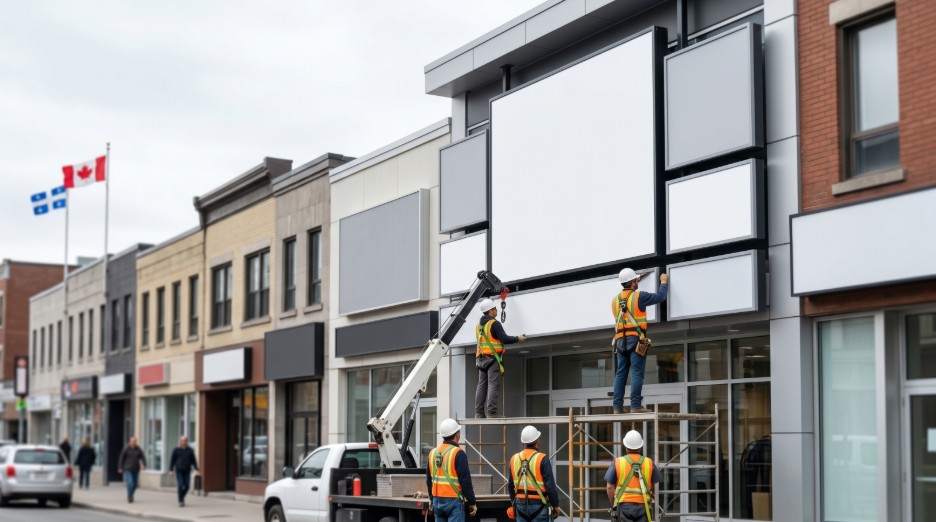
Commercial facilities across Canada operate in demanding environments. From harsh winters in Alberta to high-traffic urban buildings in Ontario and British Columbia, small maintenance issues can quickly escalate into operational disruptions if left unattended. That’s why understanding common facility repairs by handyman professionals is essential for every facility manager.
Everyday repairs are not about large capital projects; they’re about consistency, safety, and protecting assets. When handled proactively, quick maintenance tasks reduce downtime, extend asset life, and control costs before issues turn into emergencies.
This guide outlines the top 10 everyday repairs your facility handyman should handle, with real-world Canadian facility scenarios, compliance considerations, and best practices for modern commercial environments.
In Canada, commercial buildings must operate within strict safety codes, accessibility standards, and climate realities. According to government data, over 44% of Canadian buildings were constructed before 1973, predating modern building codes and increasing the likelihood of frequent minor repairs as infrastructure ages.
Unchecked minor issues often lead to:
A reliable handyman program ensures that quick maintenance tasks are addressed before they become expensive failures.
Facility handyman services typically cover non-specialty repairs that do not require licensed trades but still demand technical skill, safety awareness, and commercial-grade workmanship.
These repairs often involve:
When coordinated properly, handyman repairs reduce reliance on emergency trades and improve response times across multi-site portfolios.
Doors are one of the most heavily used components in any commercial building. In Canadian facilities, temperature fluctuations can cause doors to warp, hinges to loosen, and closers to fail.
Common door fixes include:
These issues influence security, fire safety, and accessibility compliance, especially in provinces enforcing strict AODA and building code standards.
Lighting failures are among the most frequent common facility repairs by handyman teams. Burnt-out bulbs, flickering fixtures, and damaged covers affect safety and productivity.
Typical lighting tasks include:
In parking garages, stairwells, and corridors, lighting repairs directly reduce slip, trip, and fall risks; one of the leading causes of workplace injury claims in Canada.
While major plumbing requires licensed trades, many everyday plumbing issues fall within handyman scope.
These include:
Even minor leaks can lead to substantial water waste over time, contributing to increased utility costs and environmental impact.
Caulking is a small task with big consequences, especially in Canada’s climate. Failed sealant allows moisture intrusion, drafts, and pest access.
Handyman caulking tasks include:
This is one of the most overlooked quick maintenance tasks, yet it plays a critical role in energy efficiency and building envelope protection.
Scuffed walls, dents, and cracks are inevitable in commercial environments such as retail spaces, healthcare facilities, and office buildings.
Handyman surface repairs include:
Keeping walls in good condition supports brand image, tenant satisfaction, and property value, especially in customer-facing facilities.
Ceiling tiles often suffer damage from roof leaks, HVAC condensation, or accidental impact.
Common repairs include:
Damaged ceiling tiles can indicate larger issues, making handyman inspections an important early warning system.
Loose tiles, damaged transitions, and lifting carpet edges pose safety hazards.
Handyman flooring tasks include:
In provinces like Ontario and Quebec, slip-and-fall claims remain a major liability risk for commercial property owners.
Commercial furniture sees constant wear. From loose workstation components to damaged shelving, these issues influence daily operations.
Common handyman fixes include:
These quick maintenance tasks reduce replacement costs and extend asset life.
Washrooms are high-visibility, high-use areas where small issues are quickly noticed.
Handyman repairs include:
Maintaining washrooms supports hygiene standards, accessibility compliance, and user satisfaction.
Exterior wear is unavoidable in Canadian weather conditions. While major structural work requires specialists, handymen handle many exterior tasks.
These include:
Prompt exterior repairs protect curb appeal and prevent moisture-related damage.
Everyday handyman repairs may seem minor, but ignoring them can expose commercial facilities to safety risks, compliance issues, and rising operational costs. The table below highlights how common maintenance oversights can quickly escalate into larger business influences for Canadian facilities.
By addressing these routine issues early, facility managers can reduce liability, protect occupants, and maintain uninterrupted operations. Proactive handyman maintenance turns small repairs into a strategic advantage rather than a costly disruption.
Facility managers who treat handyman services as reactive miss a major opportunity. Scheduled handyman programs transform everyday repairs into a preventive strategy.
Benefits include:
This is particularly valuable for multi-location operations across provinces where consistency is critical.
Many Canadian facility teams struggle with inconsistent service quality across locations. Centralised handyman coordination ensures standardised repairs, consistent documentation, and reliable response times.
Facility Network supports commercial properties across Canada by coordinating handyman services through a single point of contact, helping facility managers manage common facility repairs by handyman teams efficiently across diverse portfolios.
Even minor repairs must align with:
Handyman teams working in commercial facilities should understand:
A proactive handyman strategy includes:
Comprehensive preventive maintenance including regular handyman checks has been shown to reduce unplanned downtime by up to 30% and decrease reactive maintenance by 35%, helping facilities avoid costly disruptions and maintain uptime.
Avoiding these mistakes ensures small issues never become big problems.
Everyday repairs may seem minor, but they are the backbone of safe, compliant, and efficient commercial facilities. From door fixes and lighting to caulking and quick maintenance tasks, a skilled handyman keeps operations running smoothly across Canada’s challenging environments.
For facility managers overseeing multiple locations or complex assets, coordinated handyman services reduce risk, improve response times, and control costs. Facility Network helps Canadian businesses manage these everyday repairs consistently and professionally, ensuring your facilities stay functional, safe, and compliant year-round.
To strengthen your maintenance strategy or streamline handyman coordination across Canada, connect with Facility Network today.
Common facility repairs by handyman professionals include door fixes, lighting repairs, fixture adjustments, caulking, drywall patching, flooring fixes, and washroom accessory repairs that do not require licensed trades.
Most Canadian facilities benefit from monthly handyman inspections, with increased frequency in high-traffic environments such as retail, healthcare, and multi-tenant office buildings.
Handymen can manage basic adjustments and minor fixture upkeep, subject to provincial licensing regulations and local building codes.
By addressing issues early, handyman services prevent escalation into costly emergencies, reduce asset damage, and help control long-term maintenance spending.
When performed by qualified professionals following provincial codes, handyman repairs support compliance with occupational health, safety, and accessibility standards.
Centralised coordination ensures consistent service quality, faster response times, accurate documentation, and better cost control across multiple Canadian facility locations.