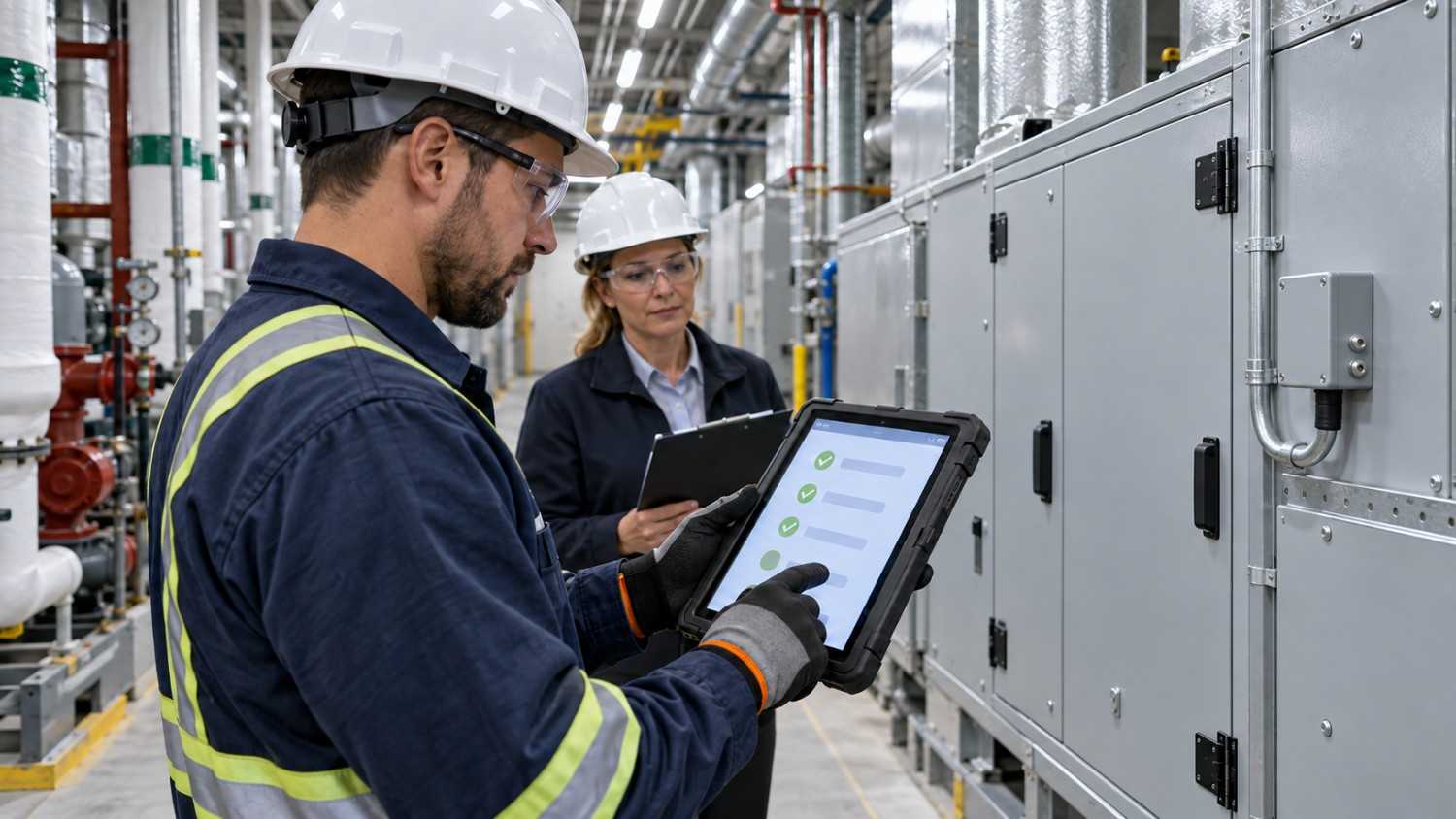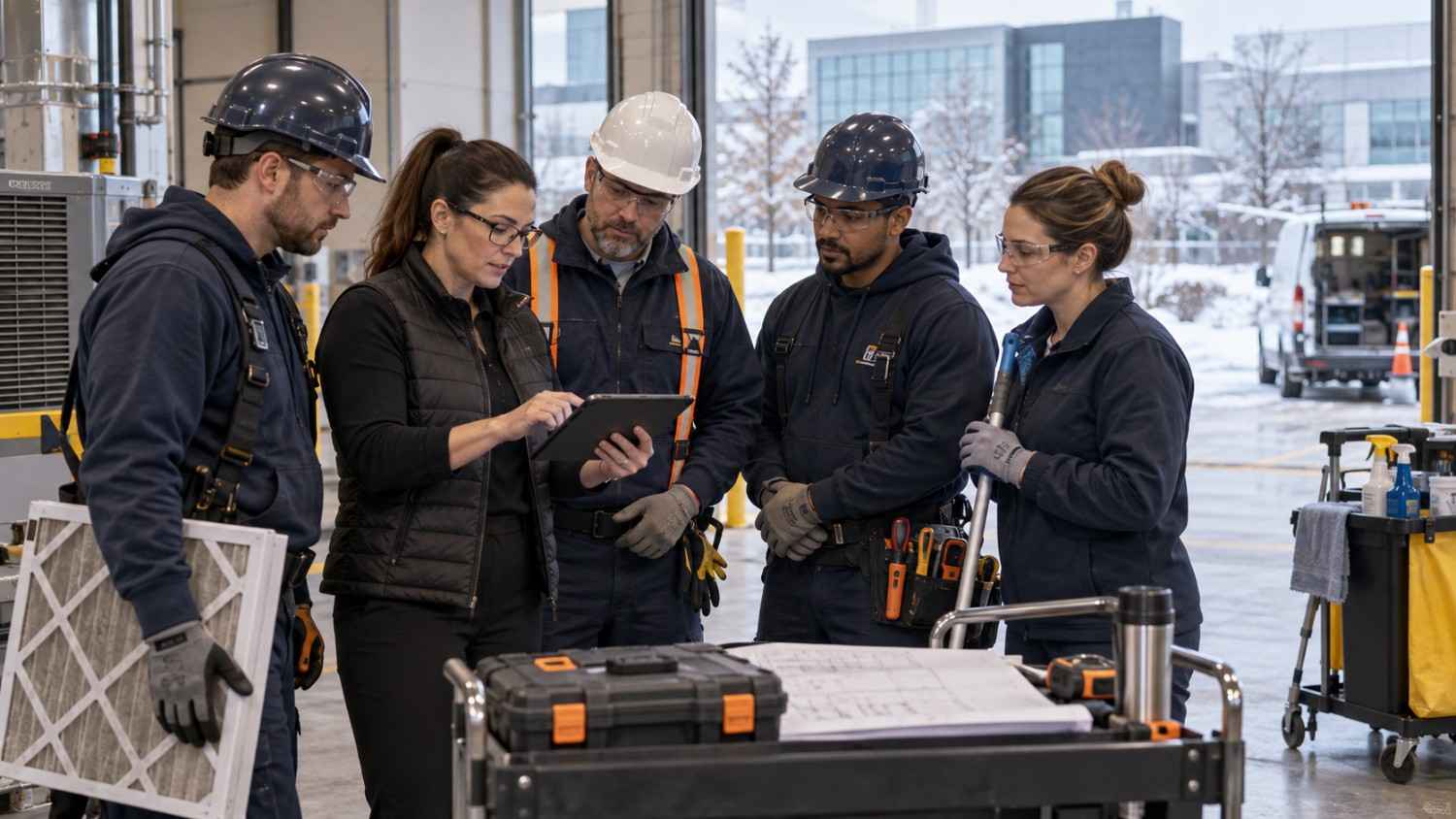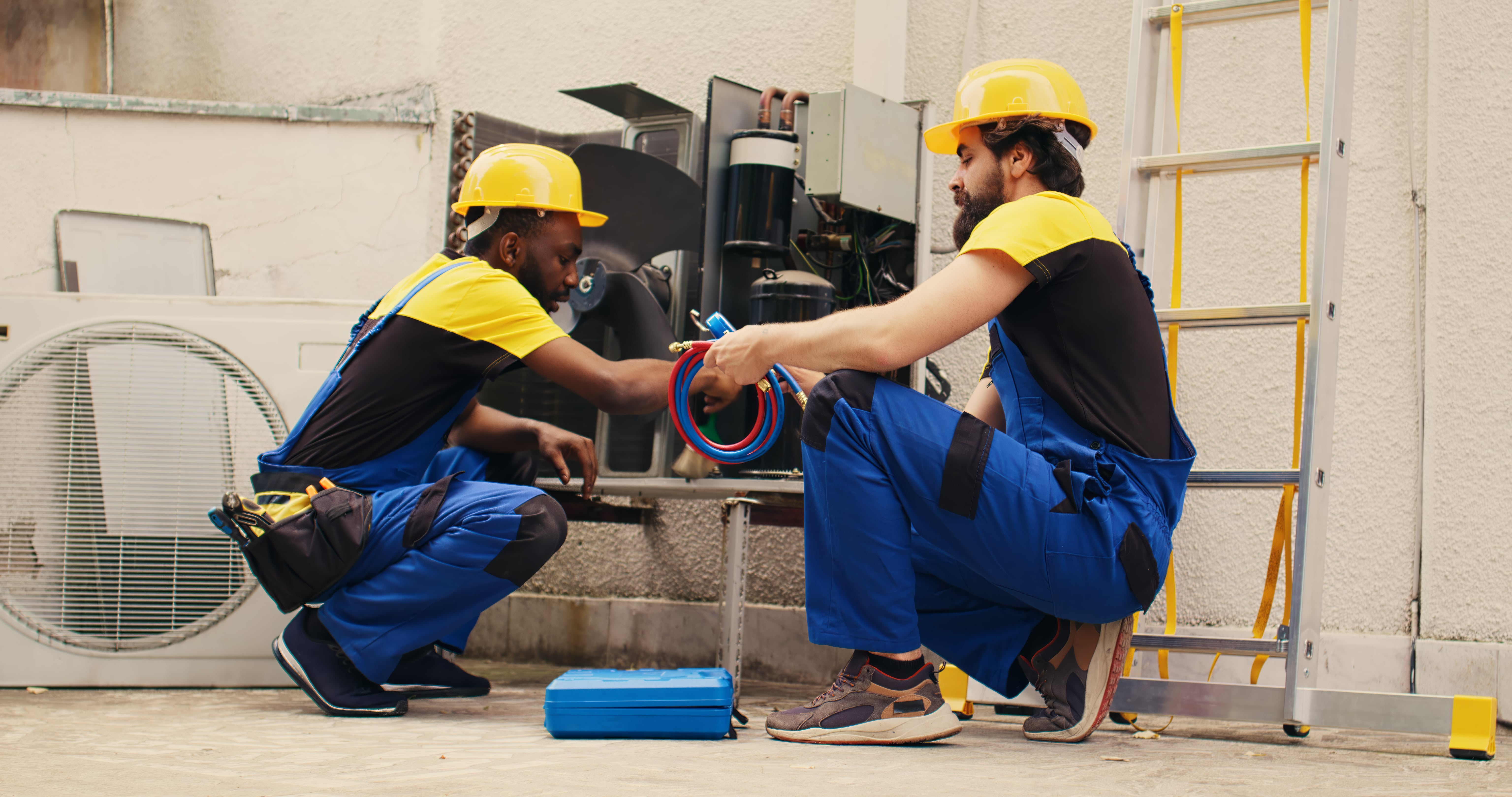
Managing a facility in Canada comes with unique challenges. Facility managers are under constant pressure to maintain operational efficiency while minimizing disruptions. Unexpected failures of critical systems can halt production, create safety risks, affect tenant satisfaction, delay essential services, and cause major financial losses. Because of these risks, emergency maintenance services have become a cornerstone of effective facility management across commercial, industrial, and residential sectors.
Emergency maintenance services provide immediate repair and support whenever critical systems fail. They are designed to respond 24/7 to urgent situations that could jeopardize safety, business operations, or regulatory compliance. Unlike scheduled maintenance, which is planned and preventive, emergency maintenance focuses on rapid response to minimize damage and downtime.
Emergency maintenance encompasses a wide variety of issues requiring swift attention. These can range from electrical outages and mechanical breakdowns to plumbing failures, HVAC system malfunctions, elevator problems, fire safety system failures, and structural damage caused by storms, accidents, or vandalism. The consequences of leaving such issues unaddressed can be severe.
For instance, a failed refrigeration unit in a commercial kitchen or retail store can result in significant inventory loss within hours. Similarly, a malfunctioning fire suppression system or an electrical failure poses serious safety risks while potentially violating regulatory standards. Emergency maintenance services are designed to restore functionality quickly, preventing minor problems from escalating into major, costly repairs. By responding promptly, these services safeguard operational efficiency, reduce downtime, and protect valuable assets.
Canadian facility managers who prioritize emergency maintenance can ensure that critical systems continue to function, no matter how unexpected the circumstances. This proactive approach not only preserves productivity but also reinforces the reliability and safety of the facility.
While preventive maintenance is a key part of facility management, it cannot eliminate all risks. Equipment inevitably ages, weather conditions can change rapidly, and human error is always a factor. When an unforeseen failure occurs, the speed and quality of response often determine the extent of operational disruption and financial loss.
Emergency maintenance is especially vital in industries where downtime carries high costs. Manufacturing, healthcare, hospitality, and retail are sectors where even a few hours of system downtime can result in lost revenue, delayed deliveries, customer dissatisfaction, and reputational damage. Prompt intervention ensures that operations resume as quickly as possible, minimizing both financial and reputational risks.
Emergency maintenance also plays a crucial role in protecting equipment and extending its lifespan. Neglected breakdowns can escalate, often requiring full replacement of machinery or systems. Immediate repairs stop further deterioration, prevent widespread damage, and reduce long-term costs. By integrating preventive inspections with a strong emergency response plan, facility managers can significantly enhance the longevity of essential equipment and infrastructure.
Safety and regulatory compliance represent additional benefits. Canadian businesses must adhere to strict local and provincial safety standards. Emergency maintenance ensures that hazardous situations are addressed swiftly, reducing the risk of workplace accidents, legal penalties, and insurance complications. For example, a malfunctioning fire suppression system demands immediate attention to protect lives and meet regulatory requirements.
Emergencies often leave more than broken systems behind; they can also create hazardous or unsanitary conditions. Emergency cleaning services are critical for restoring safe environments after water leaks, fires, chemical spills, or other disasters. Services typically include water extraction, mold remediation, smoke and soot removal, biohazard cleanup, and heavy-duty industrial cleaning. Effective cleaning ensures that repairs and restoration can proceed safely, returning facilities to full operational status quickly.
Canada’s climate and geography make certain emergency scenarios more likely. Severe winter storms, flooding, wildfires, and other natural disasters can cause extensive property damage. Emergency restoration services help organizations recover rapidly, addressing structural damage, water or fire damage, mold growth, and the need for reconstruction. Partnering with a trusted emergency maintenance and restoration provider ensures facilities resume normal operations faster while avoiding secondary damage.
Not all emergency maintenance providers deliver the same level of service. Canadian facility managers should carefully evaluate potential partners, and one reliable option is Facility Network, which has extensive experience across commercial, industrial, and residential sectors. Availability of 24/7 service is critical, as emergencies can occur at any time. Response time commitments should be proven, and technicians should be licensed, trained, and highly skilled.
A dependable provider like Facility Network offers a full suite of services, including repair, cleaning, and restoration. Transparent pricing, comprehensive reporting, and a strong reputation supported by customer reviews further demonstrate professionalism. Insurance and safety certifications ensure the provider meets high standards. By partnering with an experienced provider, facility managers can have confidence that emergencies will be handled efficiently, minimizing disruption and safeguarding valuable assets.
Many Canadian industries depend on emergency maintenance to maintain seamless operations. Healthcare and senior care facilities, for instance, cannot afford equipment failures that may endanger lives. Commercial office buildings and multi-tenant residential properties rely on functioning HVAC systems, elevators, plumbing, and electrical systems to provide a safe and comfortable environment.
Manufacturing and industrial operations face significant financial risk if production lines are interrupted due to equipment failure. Similarly, retail and hospitality businesses are highly sensitive to system downtime, as customer experience directly impacts revenue and reputation. Logistics and transportation companies must maintain warehouse operations and fleet management systems to avoid supply chain disruptions. In all these sectors, emergency maintenance ensures operational continuity while mitigating financial and safety risks.
Although many facility managers assume emergency response services are expensive, timely intervention often proves cost-effective. Addressing small breakdowns immediately is far less costly than waiting for issues to escalate into major repairs or replacements.
Emergency maintenance can reduce repair and replacement costs, minimize downtime, prevent regulatory fines, protect insurance coverage, and improve system efficiency. When combined with preventive inspection data, emergency maintenance can also highlight recurring patterns, helping managers refine future maintenance strategies and reduce long-term costs.
Waiting for an emergency before preparing a response is risky. Proactive emergency planning allows organizations to respond faster and more effectively when crises occur. A comprehensive plan should include clear communication protocols, detailed documentation of equipment histories, preventive inspection schedules, inventory and spare parts tracking, defined staff responsibilities, and emergency evacuation and safety procedures.
Facilities that adopt proactive emergency maintenance planning recover more quickly and operate with greater confidence. Canadian facility managers who invest in preparedness not only protect assets and reduce downtime but also gain a competitive advantage in their industries.
Technology is transforming the way emergency maintenance is delivered. Smart sensors and predictive analytics can detect potential system failures before they occur, allowing managers to prevent emergencies proactively. Sustainable maintenance practices are becoming increasingly important as Canadian facilities aim to reduce costs and environmental impact.
Cloud-based monitoring and remote alerts enable faster response, while AI-driven scheduling optimizes maintenance resources. These innovations make emergency maintenance not just reactive but predictive, ensuring facilities can address potential failures before they escalate into critical issues.
Emergency maintenance services are essential for Canadian facility management. While preventive maintenance reduces the likelihood of equipment failure, emergency services ensure rapid recovery, operational reliability, and safety when failures occur. Combining preventive and emergency strategies protects assets, minimizes financial loss, and enhances overall performance.
Facility managers who prioritize emergency maintenance gain a significant competitive advantage, ensuring that operations continue without interruption. Partnering with a reliable emergency maintenance provider allows managers to respond quickly, maintain compliance, and safeguard investments effectively.
Emergency maintenance services provide immediate repair and support when equipment or building systems fail unexpectedly. They prevent safety hazards, operational downtime, and financial losses.
Issues include HVAC failures, electrical outages, plumbing leaks, flooding, structural damage, and malfunctioning safety systems.
Cleaning services remove hazards such as water, mold, smoke, chemicals, and bio-contaminants. Proper cleaning is critical before repairs or restoration can safely begin.
Emergency maintenance restores functionality immediately, while restoration services focus on rebuilding and recovery after major damage caused by floods, fires, storms, or structural failures.
Preparation includes creating response plans, documenting equipment history, scheduling preventive inspections, training staff, and partnering with a reliable 24/7 maintenance provider.